

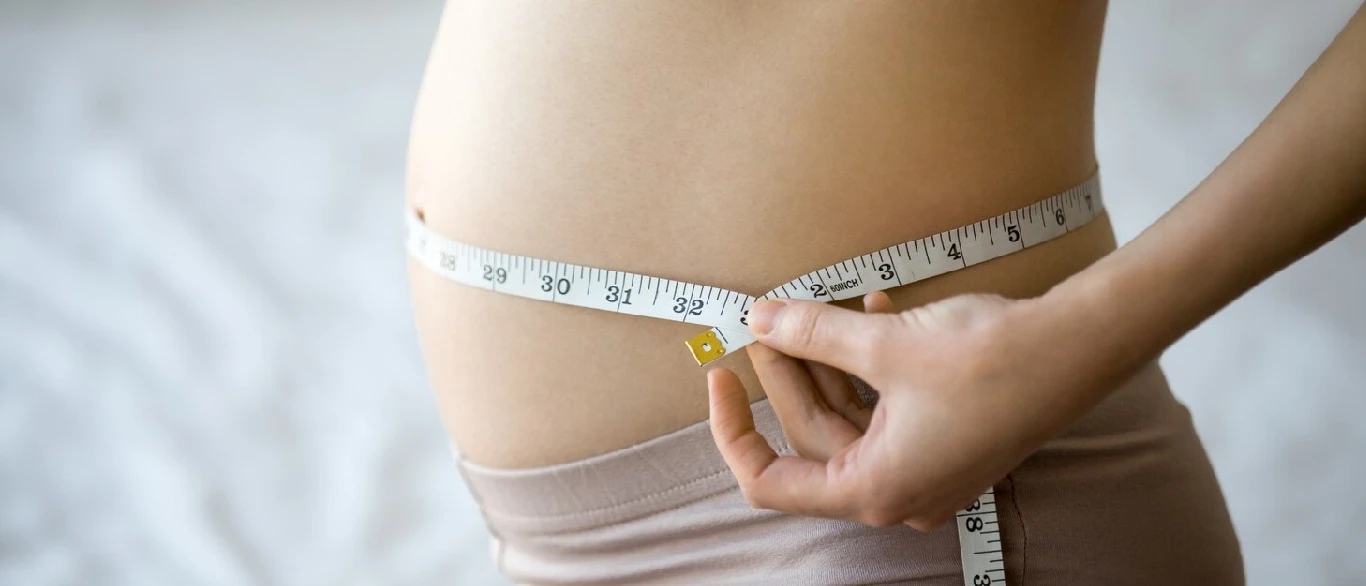
Can a Tummy Tuck Fix a Post-Pregnancy Belly?
Pregnancy can change the abdomen in ways that diet and exercise cannot always reverse. Even after losing the weight gained during pregnancy, some women continue to notice loose abdominal skin, stubborn fat, stretch marks, a protruding lower belly or a persistent gap between the abdominal muscles.
This is where a tummy tuck, or abdominoplasty, may have a role.
At DesignerBodyz, Dr. Parag Telang, a leading plastic and cosmetic surgeon in Mumbai, evaluates post-pregnancy abdominal concerns by looking beyond weight alone. The appearance of the abdomen can be influenced by excess skin, localised fat deposits and stretching or separation of the abdominal wall. These concerns may need different approaches and a tummy tuck can address several of them during the same surgical procedure.
But can it completely restore the abdomen to how it looked before pregnancy? What exactly can surgery fix and what can it not change?
The answer depends on what pregnancy has changed in your abdomen.
Why Does the Belly Change After Pregnancy?
The abdomen undergoes considerable stretching during pregnancy as the uterus expands and the skin and abdominal wall accommodate the growing baby.
After delivery, the body gradually recovers, but not every change necessarily disappears.
Common post-pregnancy concerns include:
- Loose or hanging abdominal skin
- Stubborn fat around the lower abdomen
- Stretch marks
- A protruding or rounded abdomen
- Separation of the abdominal muscles, known as diastasis recti
- Changes in the position or appearance of the belly button
- A C-section scar or an irregular contour around the scar
Weight loss after pregnancy may reduce excess fat, but it cannot necessarily tighten severely stretched skin. Similarly, strengthening the core can improve abdominal function, but it may not completely correct significant muscle separation or remove excess skin.
This is why some women continue to have a lower abdominal bulge even after returning to their pre-pregnancy weight.
What Does a Tummy Tuck Actually Fix?
A tummy tuck is designed to improve the shape and contour of the abdomen by removing excess skin and, when appropriate, fat while tightening weakened abdominal tissues.
During a typical abdominoplasty, the surgeon makes an incision in the lower abdomen, separates the skin from the underlying abdominal wall, removes excess skin and fat and may repair separated abdominal muscles. The remaining skin is then repositioned to create a smoother abdominal contour.
The exact technique depends on the patient's anatomy and the amount of excess skin.
1. Loose Abdominal Skin
This is one of the main concerns a tummy tuck can address.
When the abdominal skin has been significantly stretched during pregnancy, it may remain loose even after weight loss. Exercise can strengthen the muscles underneath but cannot physically remove substantial excess skin.
A tummy tuck removes the redundant skin and allows the remaining skin to be repositioned over the abdomen.
2. Diastasis Recti
Pregnancy can cause the two sides of the rectus abdominis muscles to separate as the abdominal wall stretches. This is known as diastasis recti.
It can contribute to a persistent abdominal bulge and, in some women, feelings of core weakness or other functional concerns.
When appropriate, abdominal wall repair can be incorporated into a tummy tuck. The surgeon brings the separated tissues closer together using sutures, helping restore the structure of the abdominal wall.
However, not every woman with a post-pregnancy belly has diastasis recti and not every abdominal bulge requires surgical muscle repair. Proper assessment is important.
3. Stubborn Abdominal Fat
A tummy tuck can remove some excess fat along with the excess skin, but it is not primarily a weight-loss procedure.
If there are localised fat deposits that remain despite a stable weight, liposuction may sometimes be combined with abdominoplasty to improve overall abdominal contour.
The decision depends on the amount and location of fat, skin quality, anatomy and surgical safety.
4. Some Stretch Marks
A tummy tuck cannot remove all stretch marks.
However, if stretch marks are located on the portion of excess skin being removed particularly below the belly button, some of them may be removed along with that skin.
Stretch marks outside the area of excision will generally remain.
What a Tummy Tuck Cannot Do
Understanding the limitations is just as important as understanding the benefits.
A tummy tuck cannot:
- Prevent future weight gain
- Stop future pregnancies from changing the abdomen
- Remove every stretch mark
- Eliminate visceral fat around the internal organs
- Replace healthy eating and exercise
- Guarantee a completely flat stomach in every body type
- Stop the natural ageing process
The procedure is intended to reshape the abdominal area, not replace weight management or lifestyle habits.
This distinction is especially important for women who are still planning significant weight loss or another pregnancy.
Tummy Tuck After Pregnancy: Who May Be a Good Candidate?
There is no single ideal age for a post-pregnancy tummy tuck. Candidacy depends more on health, anatomy, weight stability and future pregnancy plans.
A woman may be considered for abdominoplasty if she:
- Has completed or is close to completing her pregnancies
- Has reached a relatively stable weight
- Has excess abdominal skin that does not improve with lifestyle measures
- Has localised abdominal fat
- Has abdominal muscle separation or weakened abdominal tissues
- Is generally healthy enough for surgery
- Has realistic expectations about the outcome
- Understands that a surgical scar will remain
A stable weight is particularly important. Significant weight loss after surgery can alter the result, while substantial weight gain can stretch the repaired tissues and remaining skin.
What Happens During Tummy Tuck Surgery?
The exact operation varies depending on the patient's needs, but the broad process usually involves:
1. Surgical planning:
The surgeon assesses the skin, fat distribution, abdominal wall, previous scars and overall body proportions.
2. Incision:
A lower abdominal incision is made, with its position planned so that the resulting scar can generally be concealed beneath underwear or swimwear.
3. Removal of excess tissue:
Excess skin and, where appropriate, some fat are removed.
4. Muscle or abdominal wall repair:
If diastasis or weakened abdominal tissues are present and surgical repair is appropriate, the abdominal wall may be tightened.
5. Repositioning the skin and belly button:
The remaining skin is redraped and the belly button may need to be repositioned.
6. Closure and recovery:
The incision is closed and dressings or compression garments may be used according to the surgeon's protocol.
What Is Recovery Like After a Tummy Tuck?
A tummy tuck is major surgery, so recovery is significantly longer than that of non-surgical body-contouring treatments.
Swelling, bruising, tightness and discomfort are common initially. Some patients may have temporary drains to remove excess fluid, while compression garments may be recommended during recovery.
Patients generally need to limit strenuous activity during the early healing period and gradually return to normal activities according to their surgeon's instructions.
The final abdominal contour does not appear immediately. Swelling gradually settles and scars also mature over time.
Your individual recovery depends on the extent of surgery, whether muscle repair or liposuction was performed, overall health and how your body heals.
What Are the Risks of a Tummy Tuck?
Like any major surgery, abdominoplasty carries risks.
Potential complications include:
- Bleeding
- Infection
- Seroma or fluid accumulation
- Poor wound healing
- Changes in skin sensation or numbness
- Persistent swelling
- Unfavourable or prominent scarring
- Skin or tissue loss
- Blood clots
- Asymmetry
- Need for revision surgery
Smoking and nicotine use can interfere with blood flow and wound healing, so patients should discuss smoking or nicotine use openly with their surgeon before surgery.
Can You Get Pregnant After a Tummy Tuck?
A tummy tuck does not generally prevent a woman from becoming pregnant. However, a subsequent pregnancy can stretch the abdominal skin and tissues again and potentially change the surgical result.
For this reason, women who are considering future pregnancies are generally advised to discuss their plans with their plastic surgeon and, when possible, postpone abdominoplasty until they have completed childbearing.
Can a Tummy Tuck Really Fix a Post-Pregnancy Belly?
For the right patient, a tummy tuck can make a substantial difference to a post-pregnancy abdomen by addressing excess skin, selected fat deposits and abdominal wall laxity or muscle separation.
But it is not a procedure that simply “removes the pregnancy belly.” The abdomen can change for several different reasons. and the treatment needs to correspond to the underlying problem.
At DesignerBodyz, Dr. Parag Telang evaluates factors such as skin excess, fat distribution, abdominal wall laxity, previous C-section scars, weight stability and future pregnancy plans before recommending an approach. This helps determine whether a full tummy tuck, a more limited form of abdominoplasty, liposuction, a combination approach or no surgery at all is appropriate.
The goal is not simply to make the stomach smaller. It is to restore a more balanced abdominal contour while respecting the patient's anatomy, health and long-term goals.
FAQs about Tummy Tuck for Post-Pregnancy Belly
Can a tummy tuck remove the belly after pregnancy?
A tummy tuck can remove excess abdominal skin and some fat and can repair separated abdominal tissues when appropriate. It can significantly improve the appearance of a post-pregnancy abdomen, but it cannot reverse every change caused by pregnancy.
Can a tummy tuck fix diastasis recti after pregnancy?
In selected patients, yes. Abdominoplasty can include surgical repair of separated abdominal muscles or the connective tissue between them. However, the extent and necessity of repair need to be assessed individually.
Will a tummy tuck remove all my stretch marks?
No. A tummy tuck does not specifically treat stretch marks. Some marks located on the skin that is surgically removed may disappear with that tissue, while stretch marks outside the excision area will remain.
Is tummy tuck surgery a weight-loss procedure?
No. A tummy tuck is primarily a body-contouring procedure. It is intended for excess skin, abdominal laxity and selected fat deposits rather than significant weight reduction.
Can I have liposuction with a tummy tuck?
In appropriately selected patients, liposuction can be combined with abdominoplasty to improve contouring. Whether this is suitable depends on the patient's anatomy, amount and location of fat, skin quality and overall surgical safety.
Can I have another pregnancy after a tummy tuck?
Pregnancy after abdominoplasty is possible, but it may stretch the repaired abdominal tissues and alter the cosmetic result. If you are planning another pregnancy, discuss this with your plastic surgeon before deciding on surgery.
About the Author


